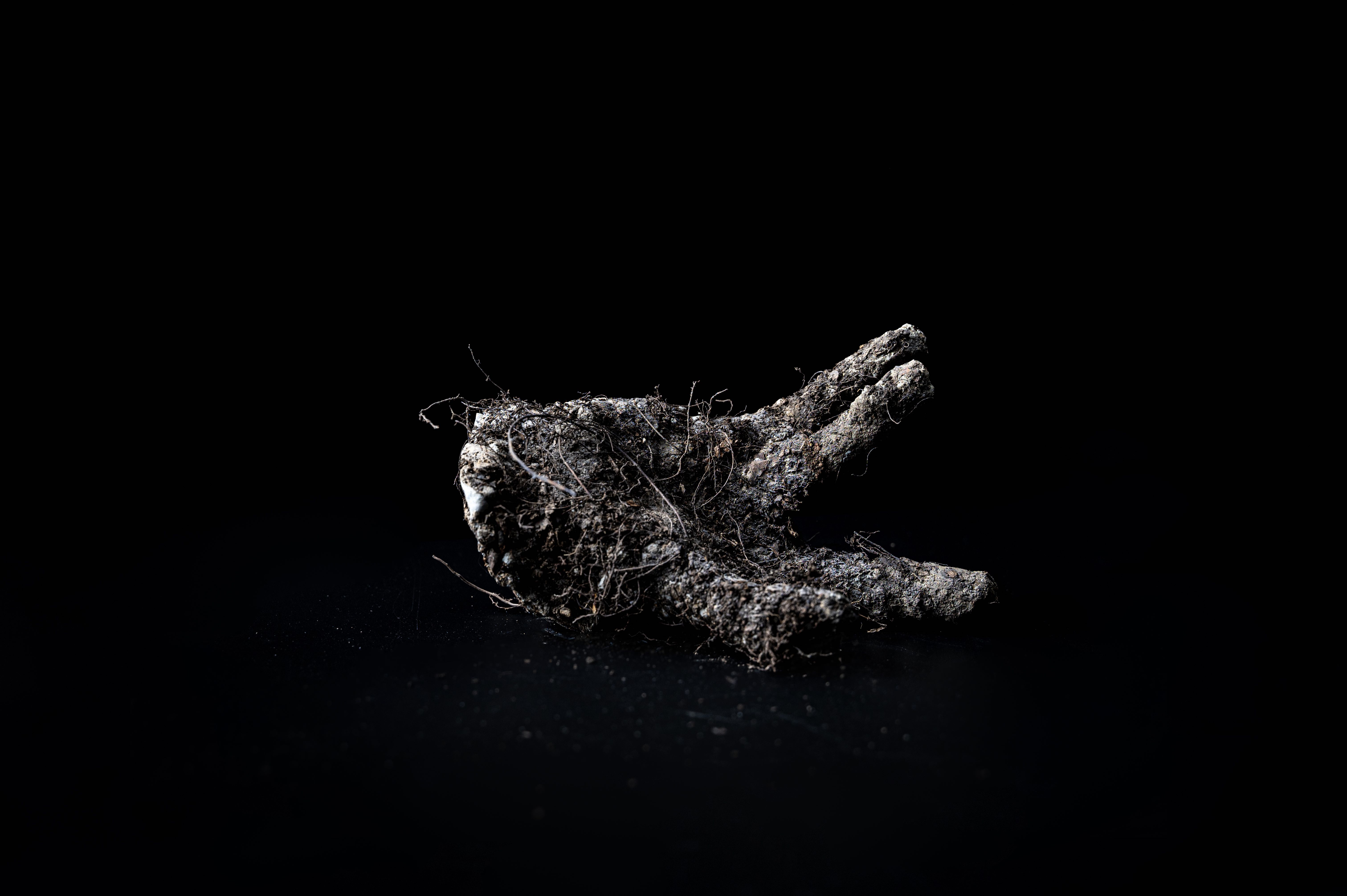
“It is uncertain who was the first person to notice the objects, but soon sightings were reported all over the world. Hidden in plain sight, they masqueraded as noise or as dirt along the side of a crossroads, showing the way always to be taken. In the most ordinary moments and places, they seemed to have always been there, quietly mirroring their surroundings. A myriad of questions arose regarding what they were, why they existed, when they first appeared, and how they had gone unnoticed for so long. These inquiries captivated the collective imagination, especially when it was discovered that they had been present in archival sources since the beginning of recorded history.
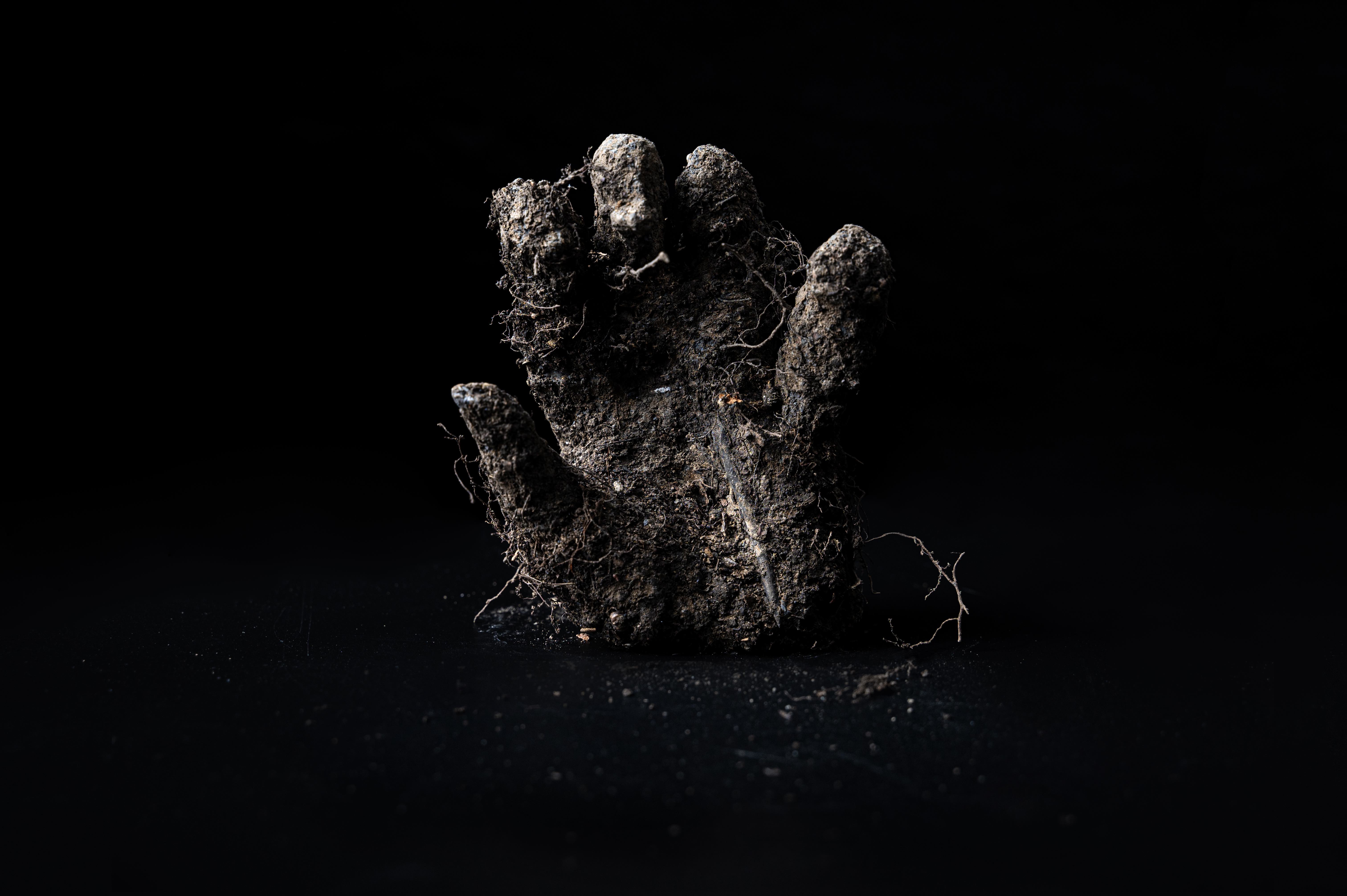
When attempts were made to determine the significance of the objects in relation to their locations, no relevant answers were found. What remained certain was a lingering sensation of tension and unease around them. Speculation thrived, with theories ranging from the objects being mere primeval ornaments to being ritualistic items imbued with magical properties, their true purpose and meaning beyond our grasp. Some suggested they might involve forms of perception that lie outside our common experience, while others considered the possibility that they were potential ciphers, signs of intentionality left out in the open. These objects became associated with a long list of unsettling large-scale historical developments and environmental manipulations, reclaiming the long-lost potential for world-making. Since no one claimed ownership of the objects and no further explanations emerged regarding their unexpected presence, a door was left open for the potential of something else to loom.” - Larisa Sitar
Larisa Sitar (b. 1984) lives and works in Bucharest. Soon after graduating from the Photography and Moving Image Department of the National University of Arts in Bucharest, her practice shifted from two dimensional images towards object and site specific installation, exploring the evolution of social and cultural values in relation to political and socio-economic contexts, technological advances, and our connections with the natural world. Her projects draw from and employ various techniques, often blending technical and digital processes with well-known traditional and analogue forms. Physicality and our common cultural heritage are key aspects of her creations; materials are chosen not only for their aesthetic qualities, but, more importantly, for their ability to evoke specific cultural associations.